DIY Drywall Installation Techniques: Tips and Tricks
By South Lake Handyman Services Editorial Team · Updated 2026-08-31
Proper drywall installation requires measuring studs 16 inches on center, securing sheets with 1-1/4 inch screws, and taping seams before mudding. South Lake Handyman Services in Clermont, FL, led by Aaron Beasley, handles custom wall installations professionally—call (407) 230-9890 for expert results.
Successful drywall installation relies on precise measurement, proper screw placement, and clean, well-blended seam finishing. Cutting sheetrock properly means sizing sheets a quarter inch shorter than wall measurements, then securing them with drywall screws driven into the middle first. A drywall elevator solves single-person positioning challenges, eliminating the need for extra hands while ensuring tight, professional-quality results throughout the project.
Key Takeaways
- Measure walls to a quarter inch shorter than actual width before cutting drywall sheets for proper fit.
- Use a drywall elevator as your secret weapon tool to position sheets solo without extra hands.
- Install entire rooms, including ceilings, in one day by following systematic hanging and measurement techniques.
- Keep five key installation tips top of mind to guarantee error-free drywall projects on every job.
What Tools and Prep Work Do You Need?
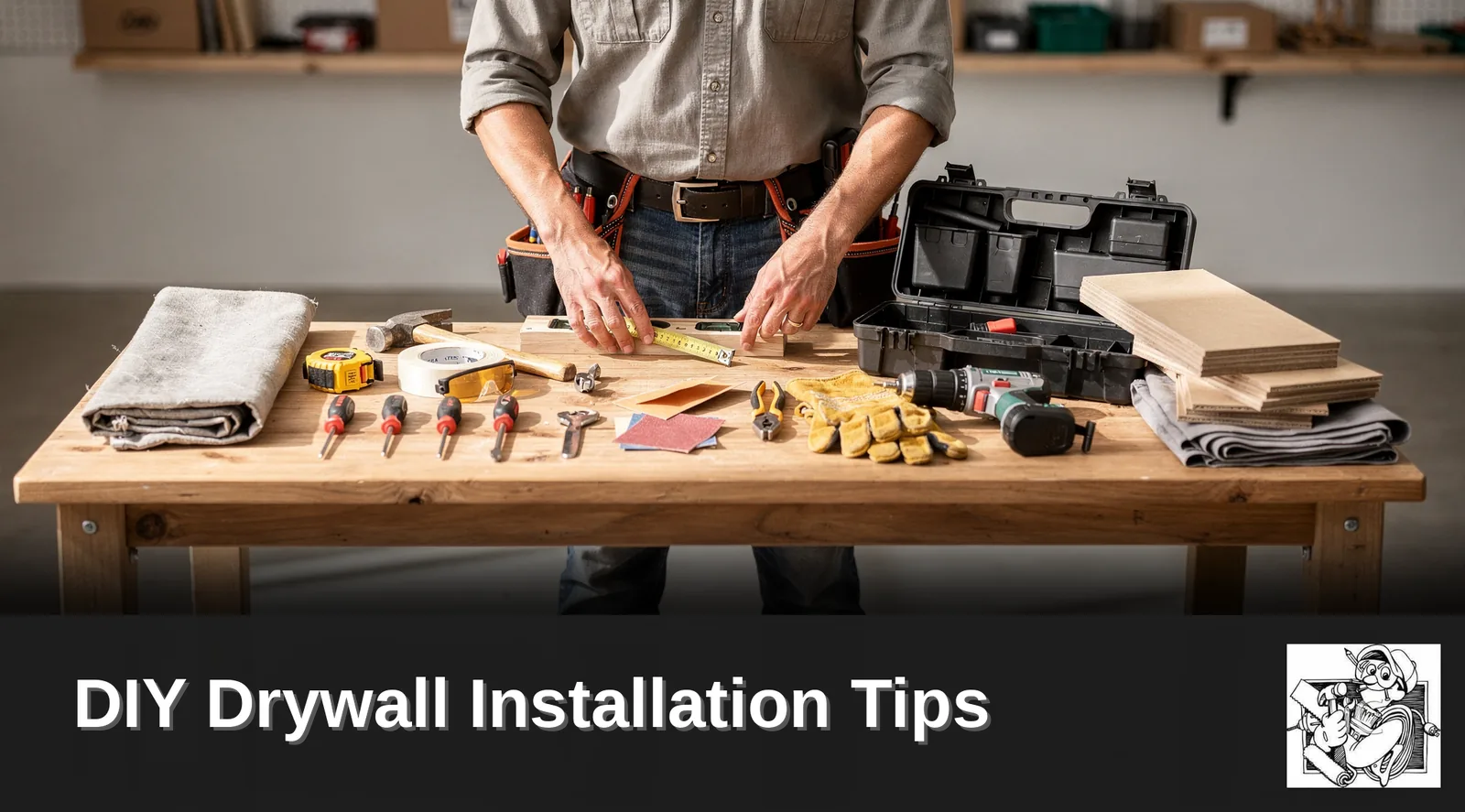
Successful DIY drywall installation techniques start long before the first screw goes in, and having the right DIY drywall tools on hand makes all the difference. Skipping prep work costs homeowners time, drywall waste, and sometimes a damaged pipe or wire hidden behind the wall.
Before hanging a single sheet, complete these prep steps in order:
- Locate and protect all electrical and plumbing lines running through the wall or ceiling cavity.
- Clear the room of furniture and obstacles that block access to studs.
- Cover flooring to catch dust and dropped screws.
- Stage drywall sheets apartment against a clean wall to prevent warping before installation.
Homeowners uncertain about what's hiding behind a wall benefit from South Lake Handyman Services' plumbing expertise, which helps confirm water lines stay protected before panels go up. The same holds true for wiring: South Lake Handyman Services' electrical knowledge helps homeowners avoid nicking a live circuit mid-install. This attention to detail forms part of the company's primary brand identity. Careful, methodical work that protects the home, not just the finish.
Why does a drywall elevator matter for solo installers?
A drywall elevator holds heavy sheets in place against the ceiling or wall without a second person. This tool positions panels precisely, freeing both hands for driving screws. Solo homeowners tackling ceilings especially benefit, since holding overhead drywall alone strains both arms and accuracy.
How Do You Hang and Fasten Drywall Panels?
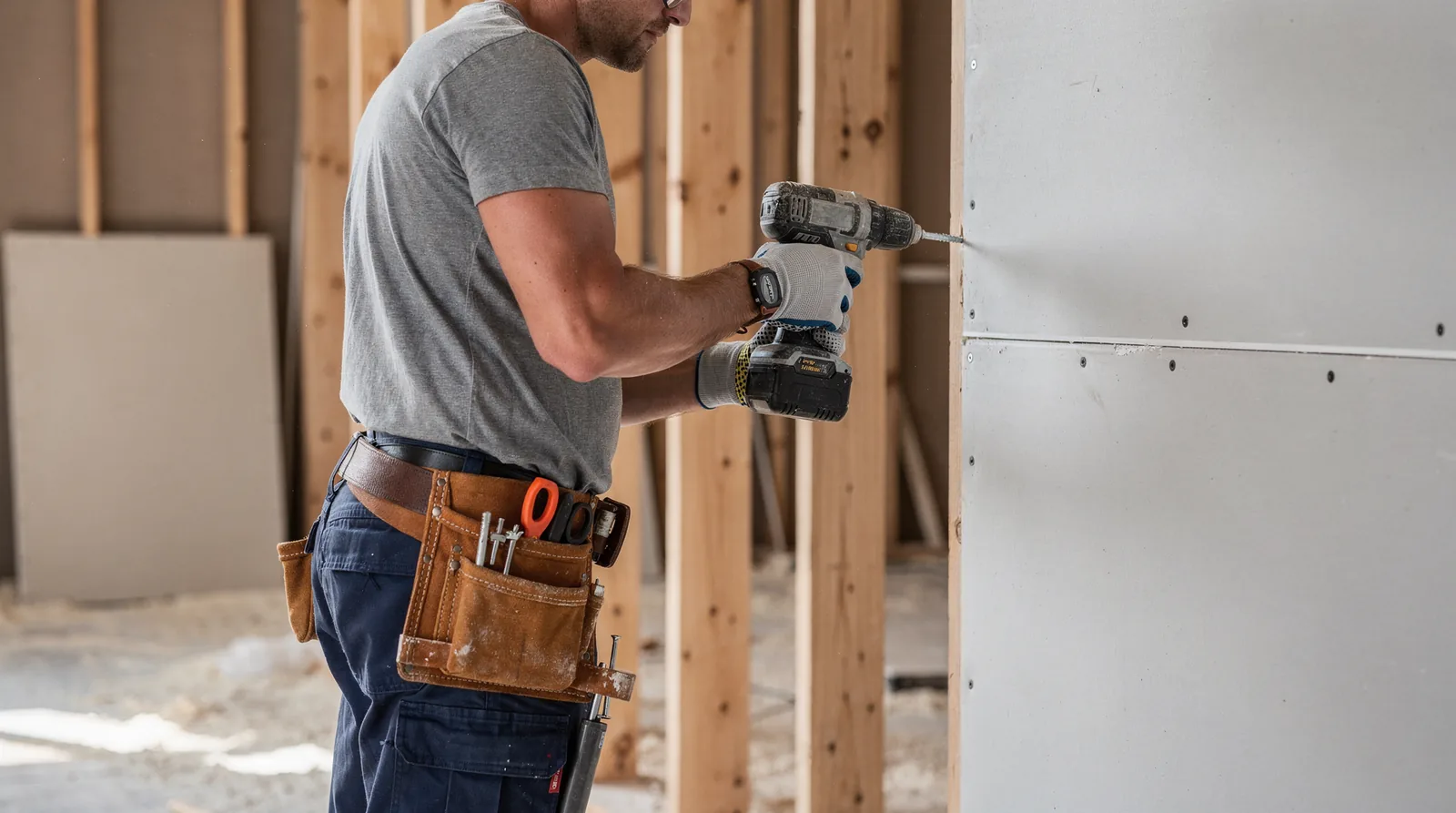
Proper panel placement combines careful positioning with disciplined screw spacing. Learning how to hang drywall the right way starts with securing each sheet tight against the framing before a single fastener goes in. Loose panels shift during fastening, leading to cracked seams and uneven surfaces later.
Screw spacing matters as much as screw placement. Fasteners belong roughly every 16 inches, driven into every stud along the panel's width. Skipping studs weakens the wall and invites sagging over time, especially in Florida's humid climate where materials expand and contract.
What's the Right Order for Fastening a Drywall Panel?
Work from the center of the panel outward. This sequence keeps the sheet apartment against the studs and prevents bowing at the edges.
- Position the panel tight against the framing and hold it steady.
- Drive the first screw near the center of the sheet.
- Set additional screws every 16 inches, moving from the center toward the edges.
- Sink each screw into a stud, never between framing members.
- Countersink the head slightly below the surface without tearing the paper.
Why Does Local Wall-Building Experience Matter?
Locally owned businesses bring a closer eye to detail on every wall they build. South Lake Handyman Services is locally owned. That structure supports careful, consistent attention from start to finish rather than assembly-line output.
South Lake Handyman Services offers floors. Custom walls services, reflecting genuine hands-on expertise with wall construction beyond basic patch work. With one employee running the business, homeowners deal with a single, consistent point of contact throughout the project. No rotating crews, no repeated explanations, just steady craftsmanship from the same set of hands.
How Do You Finish Seams and Avoid Mistakes?
Smooth seams depend on thin, even coats of joint compound feathered well past the tape edge, then sanded lightly between layers. Bubbles, ridges, and visible seams almost always trace back to rushed coats or skipped sanding steps. These drywall taping and mudding tips start with patience, not speed.
- Embed paper or mesh tape into a base coat, pressing out air pockets.
- Apply a second, wider coat once the first fully dries.
- Sand lightly between coats, then add a final skim coat.
- Check the surface under a raking light before priming.
When Should Homeowners Call a Professional Instead?
Larger jobs often turn out better in a finisher's hands than tackled solo. Wide rooms and ceilings punish small technique errors. Owner Aaron Beasley runs South Lake Handyman Services and personally stands behind every finish. Homeowners can call (407) 230-9890 for an estimate and to discuss project scope and timeline.
FAQ
How short should drywall sheets be cut for proper fit?
Cut sheets a quarter inch shorter than the actual wall measurement before installation. This precise sizing ensures tight, professional-quality results throughout the project.
What tool helps a single person hang drywall alone?
A drywall elevator holds heavy sheets in place against the ceiling or wall without a second person, freeing both hands for driving screws. This benefits solo installers tackling ceilings especially.
Who can help identify hidden pipes and wires before installation?
South Lake Handyman Services offers plumbing. Electrical expertise that helps confirm water lines and wiring stay protected before panels go up. This locally owned Clermont, FL company applies careful, methodical work to protect the home.
Conclusion
In closing, DIY drywall installation demands patience, precision, and the right tools—but the learning curve is steep, and mistakes compound quickly. If you're tackling a small patch or accent wall, the techniques covered here provide a solid foundation. For larger projects or rooms where finish quality matters most, partnering with an experienced professional ensures results that stand the test of Florida's demanding climate. Either way, quality drywall work transforms your space and protects your home's integrity for years to come.